

The Maono DGM20 is a promising $40 USB gaming microphone. I think we’ve seen plenty of these types of mic nowadays, but this has one feature that’s supposed to set it apart – a gaming USB microphone with noise cancelling.
Is this a gimmick or does it actually work? Let’s find out.
DISCLAIMER: Mayo sent me this microphone, but everything I say in this blog is my thoughts only.
To determine if the Maono DGM20 is the real deal, we will dissect it into different sections: Unboxing, Mic Test, Pros and Cons, and my final thoughts.

Maono DGM20 in action
Unboxing
I will unbox the DGM20, and I will show photos of its parts.
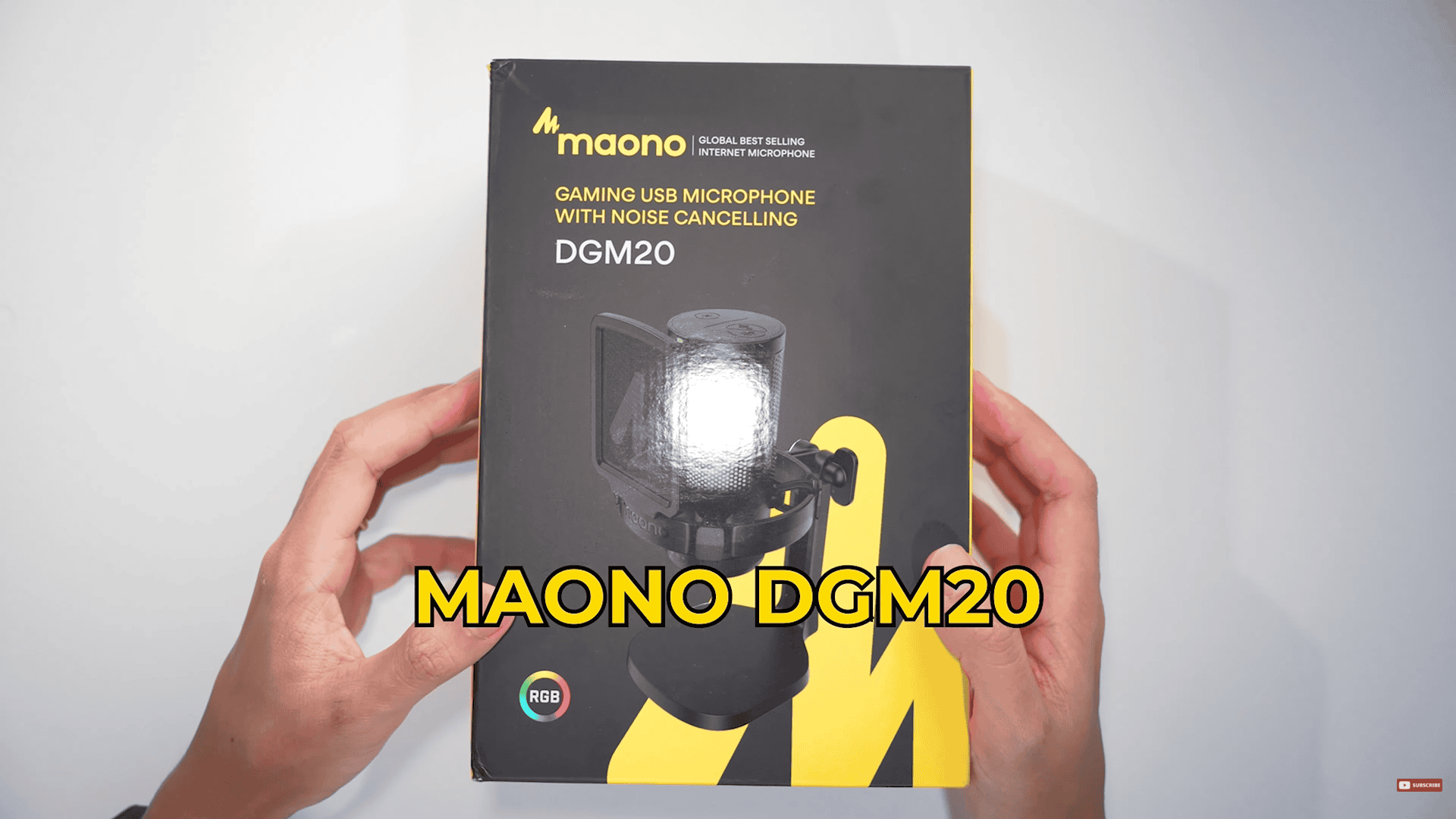
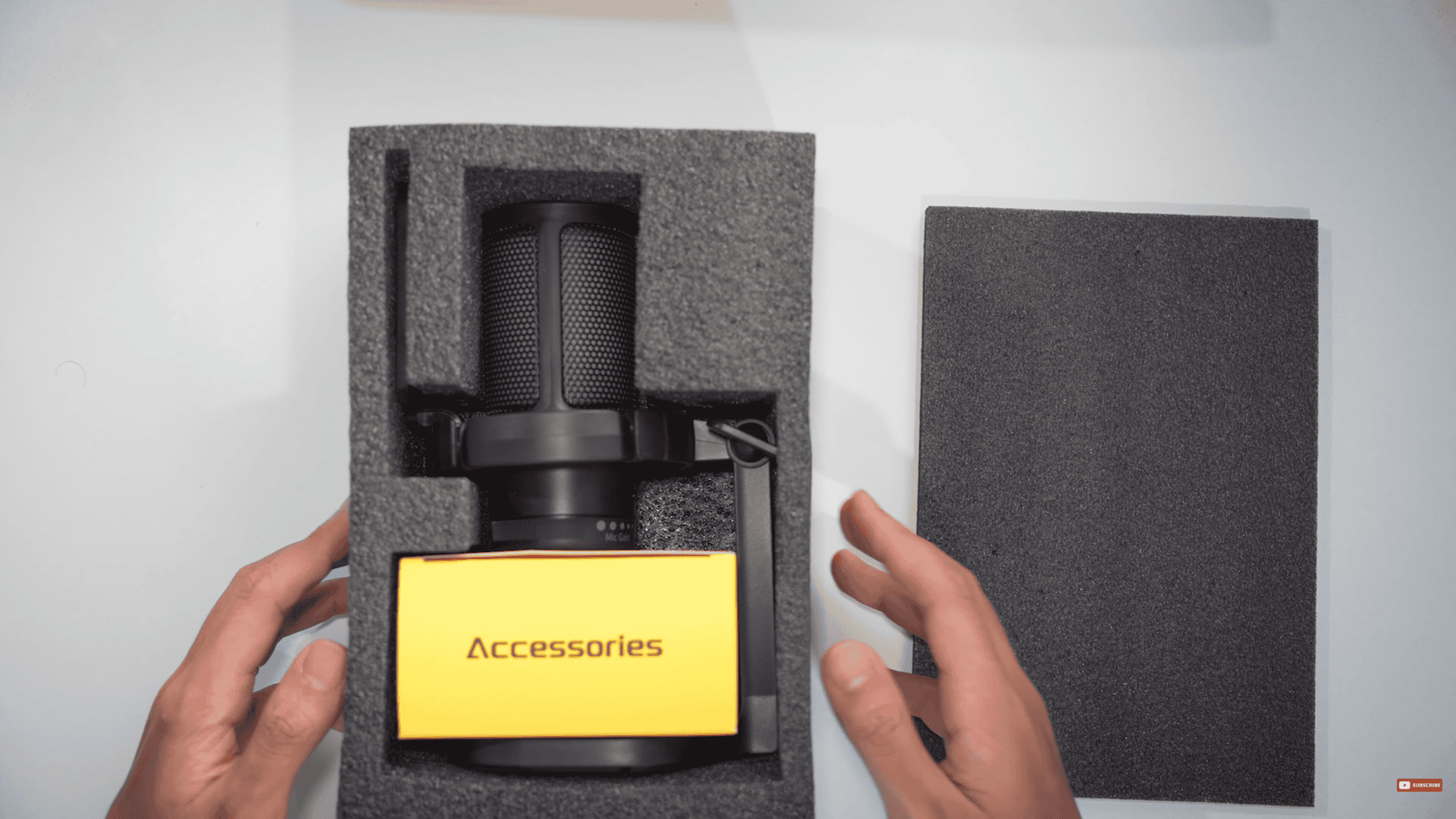
Unboxing the mic
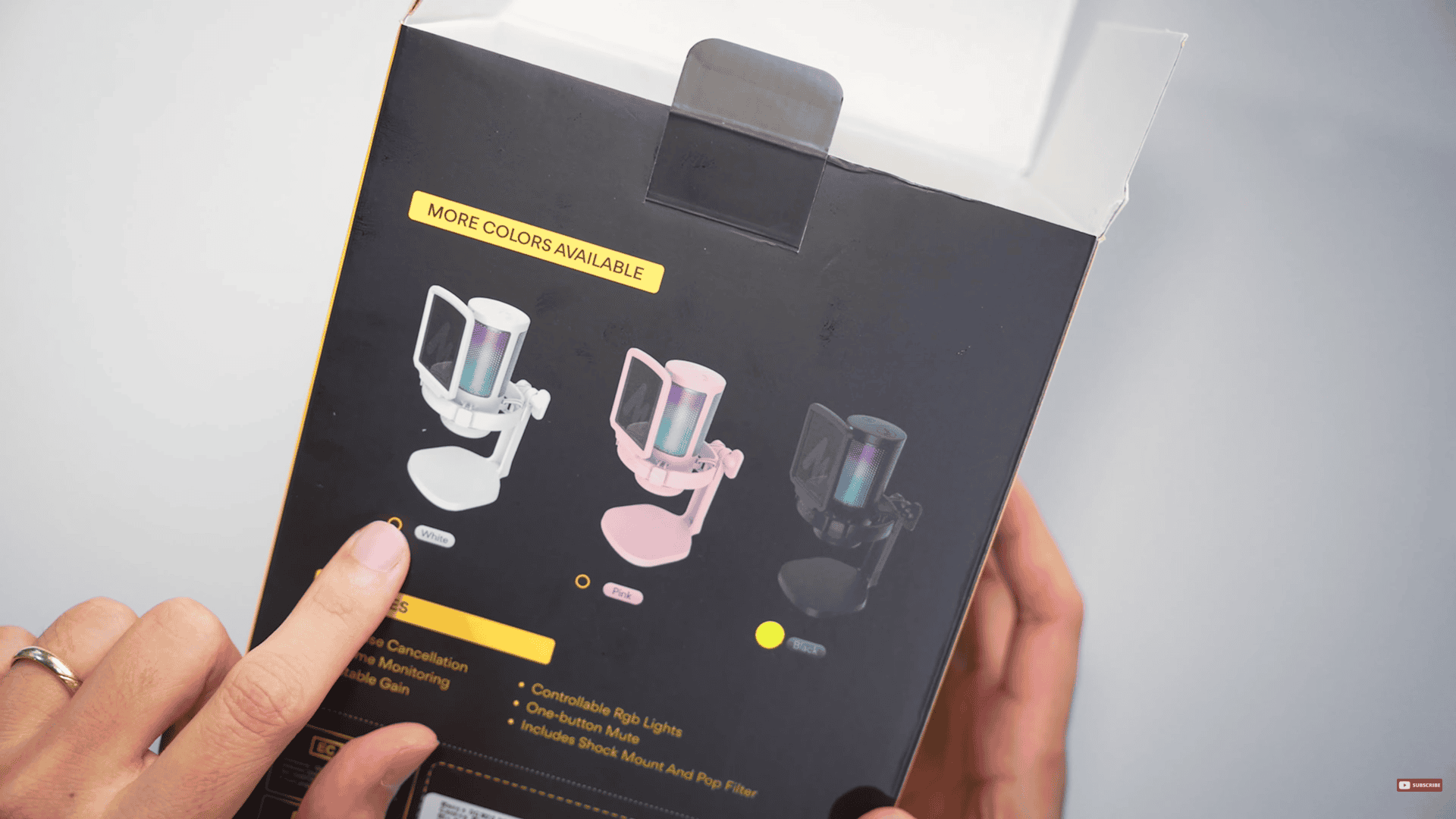
The mic comes in three colors. The one I have is black, but there are white and pink versions of the mic as well.
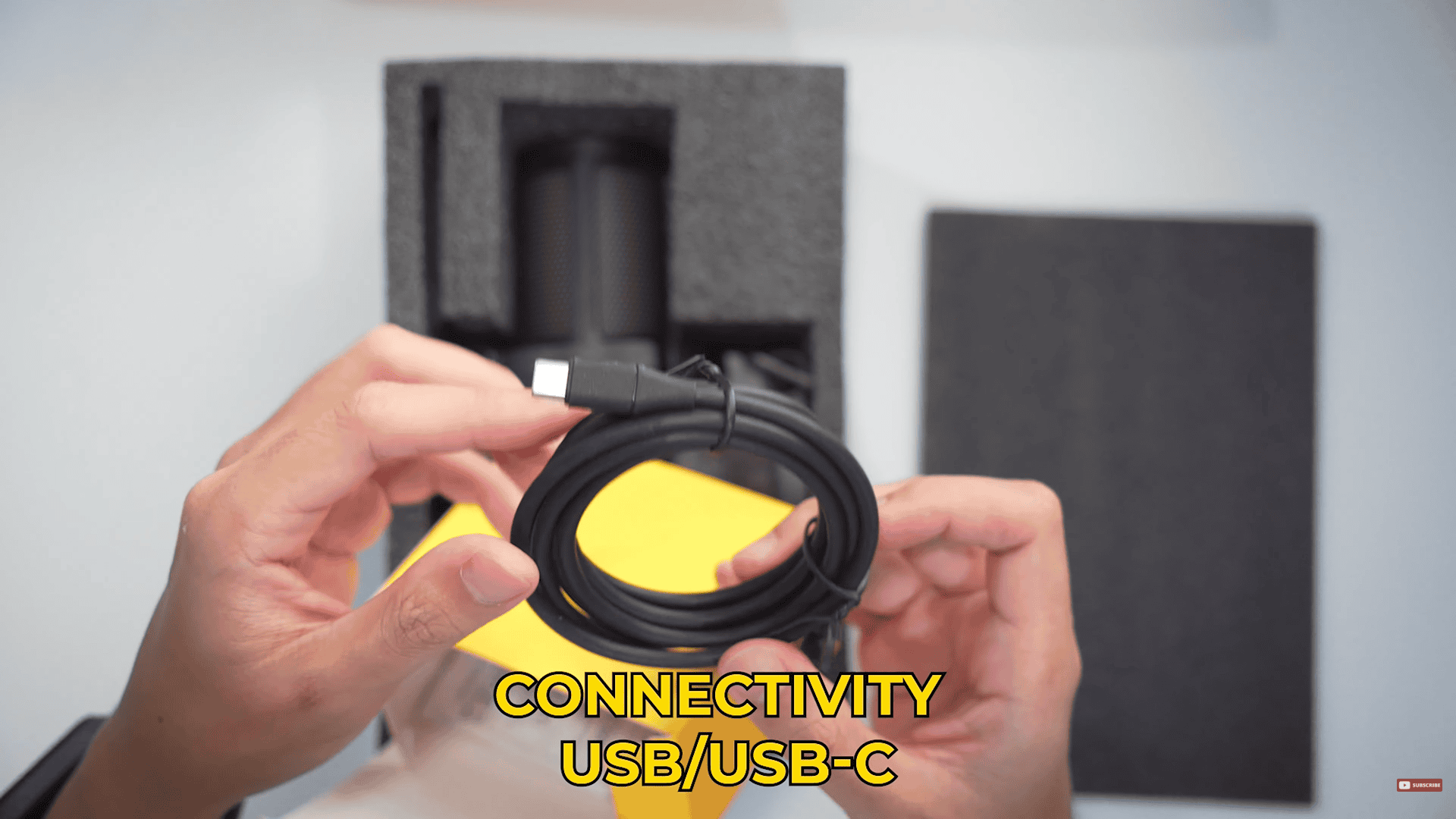
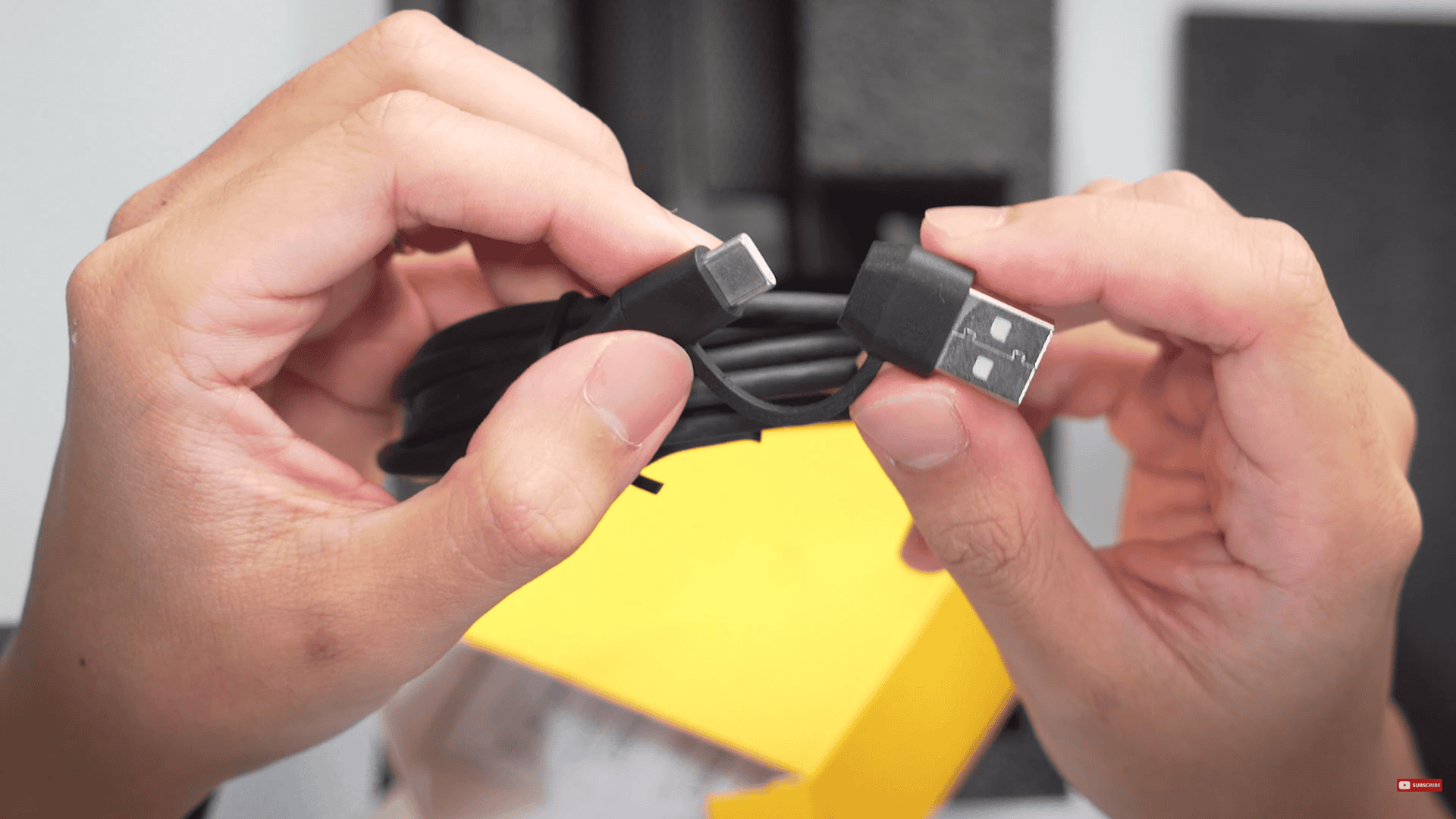
It has a USBC to USBC with a type-A adapter cable, which is long and super convenient.
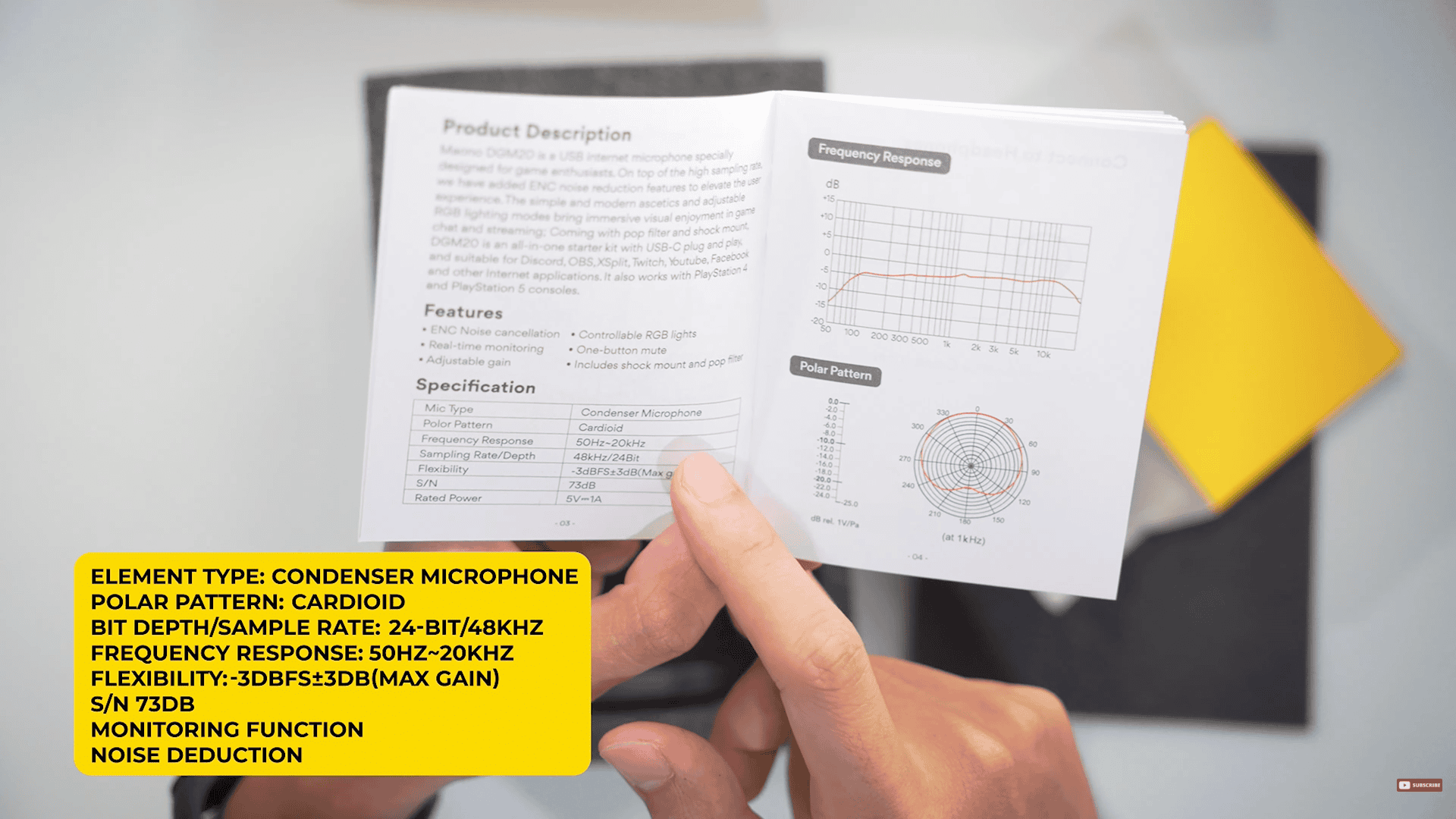
The manual contains info such as the mic’s specification.
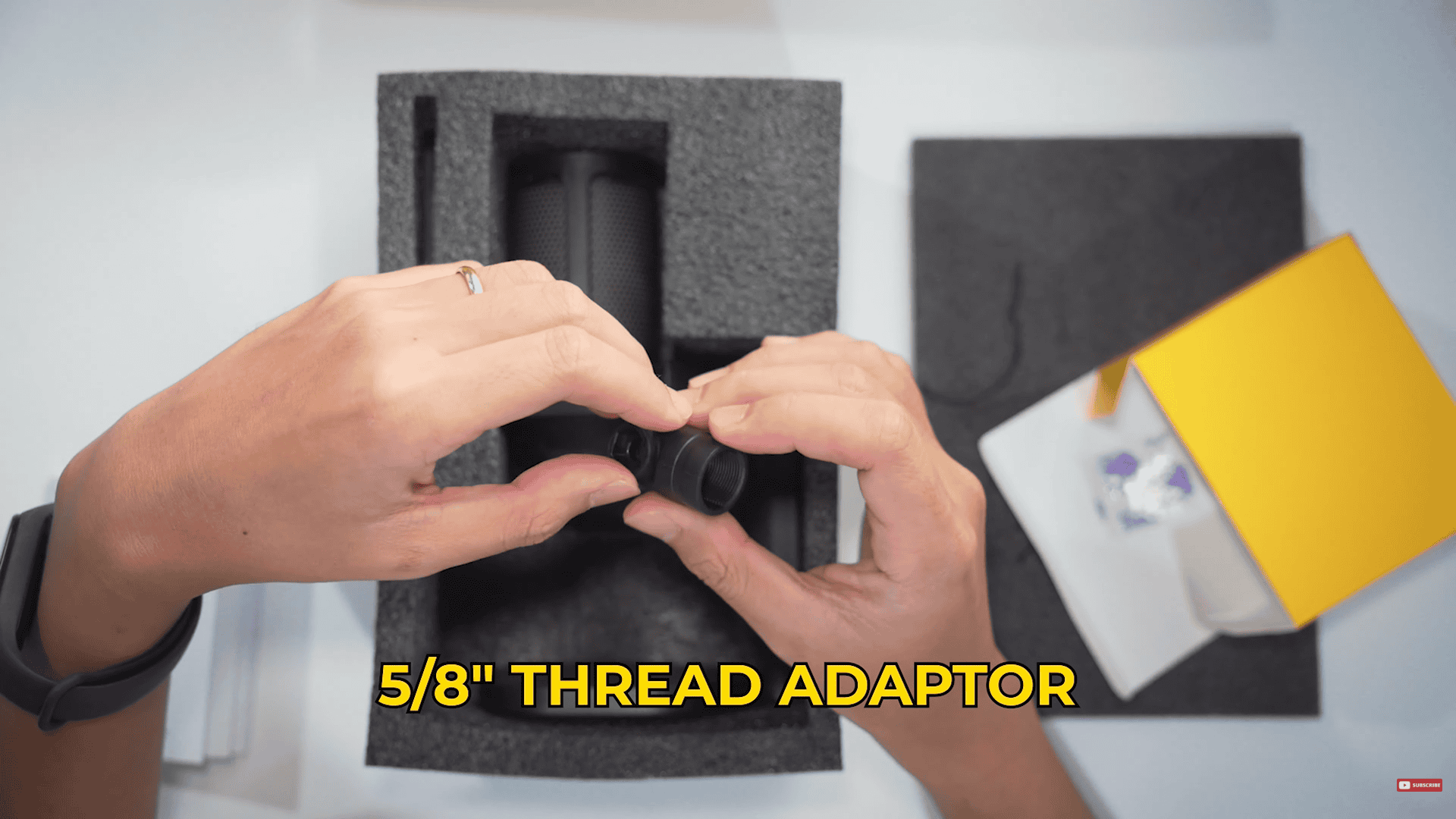
It also got a 5/8 in thread adaptor to connected to a boom arm.
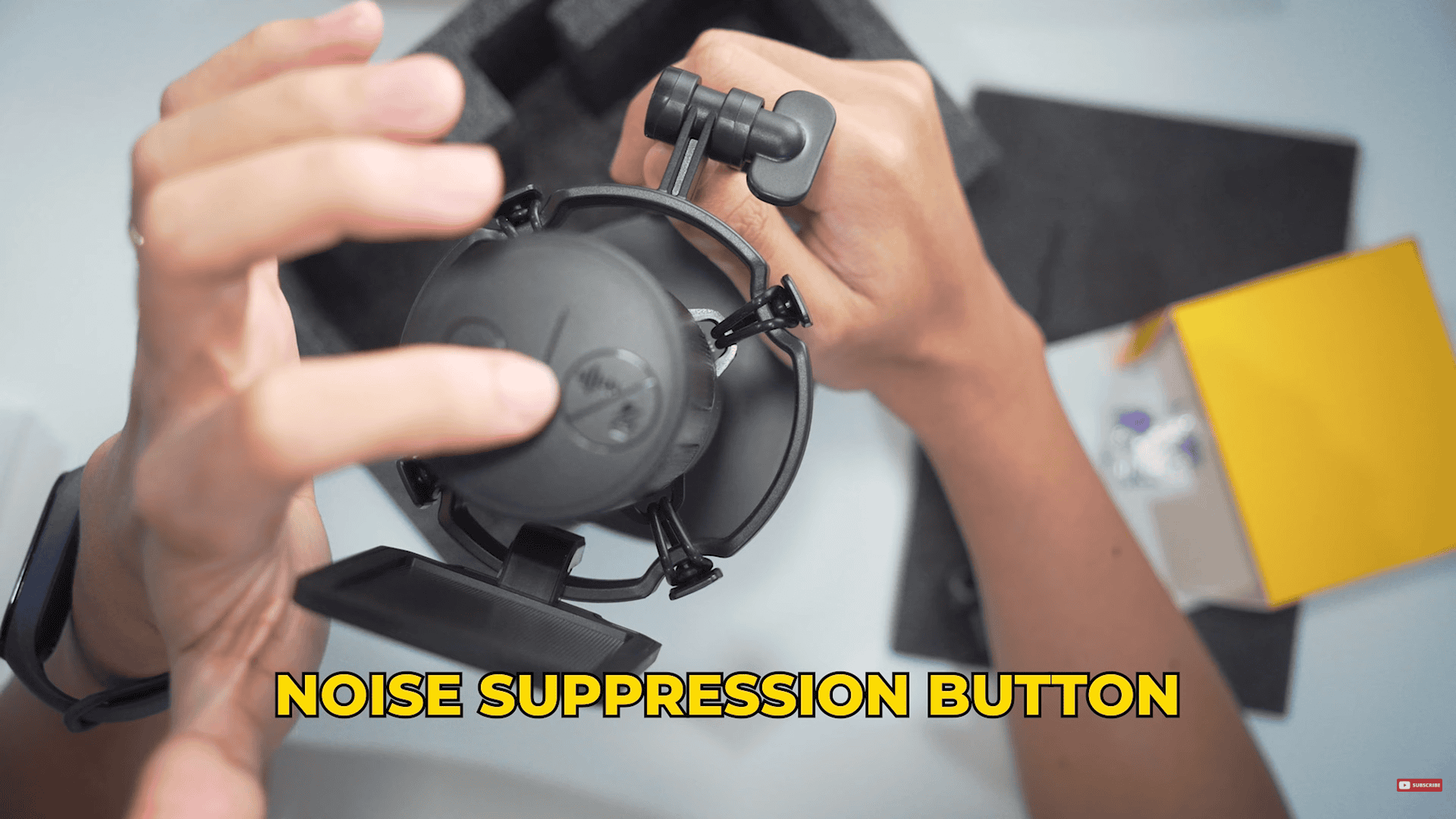
What makes this mic different is its noise suppression button. The same button also functions as the mute button. For the mute function, press the button for less than a second; for the noise suppression button, press it for longer than 2 seconds. So the light of the microphone is green if it is without noise cancelling, then it turns blue when you have it on. It seems that the noise cancelling tends to add some artificial gain too.
NOTE: This is the most intense noise-cancelling I’ve had in any microphone.
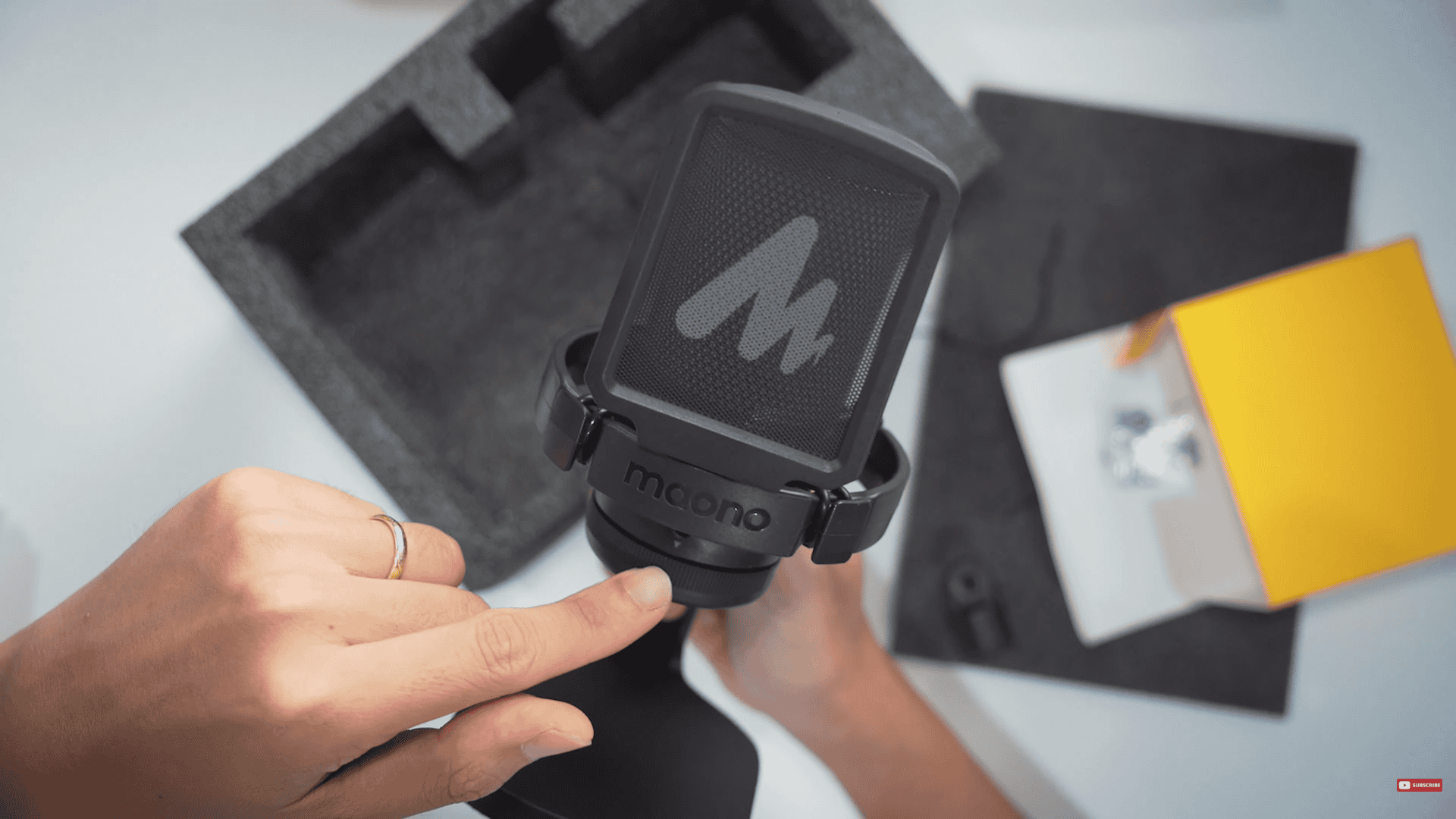
And then, the headphone jack which is located in front. This part of the mic is usually at the bottom or back, but the Maono DGM20 has it in the front.
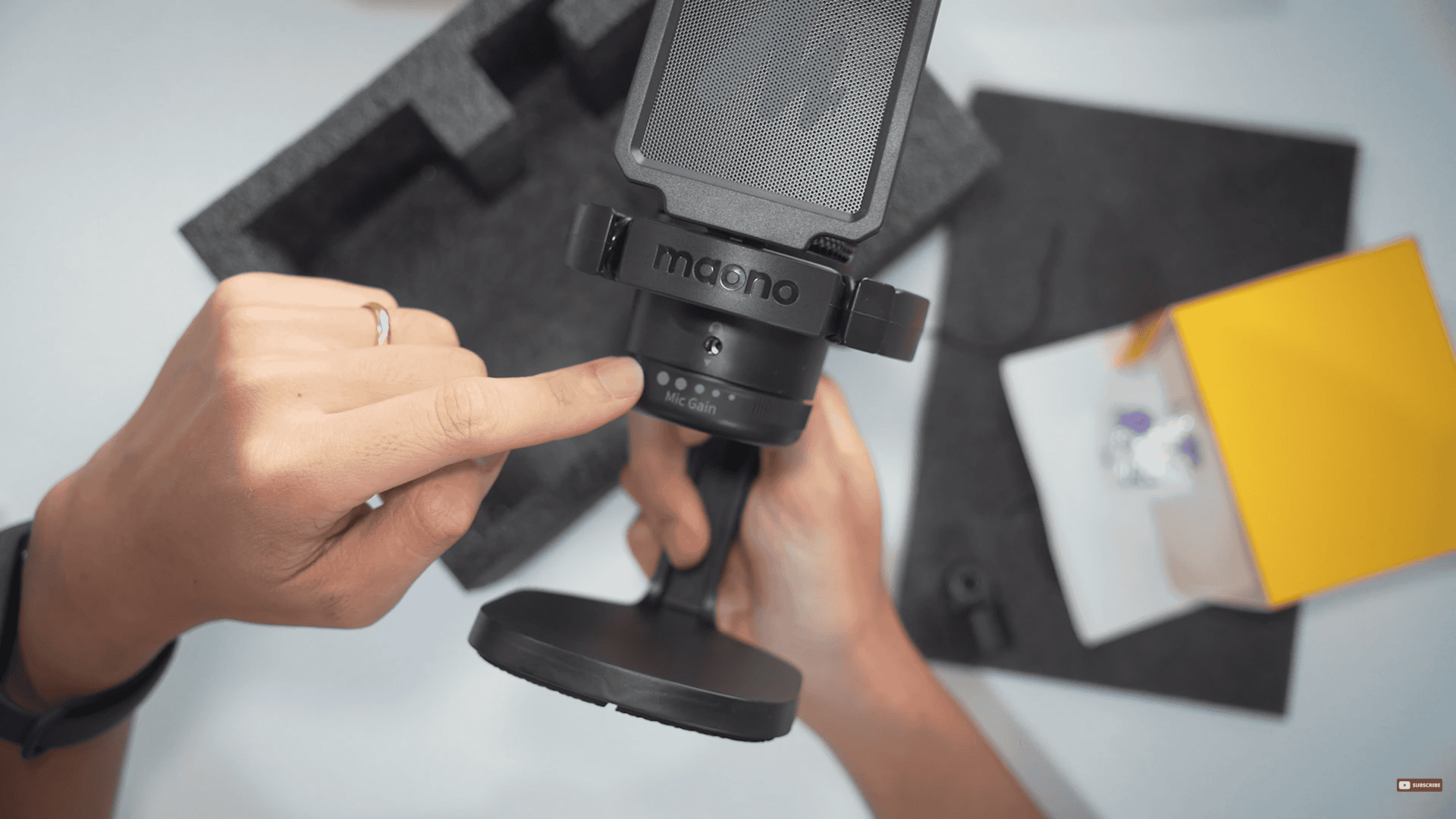
The mic gain knob. It feels buttery smooth to the touch to the point I enjoyed playing around it. Meanwhile, the desktop stand seems pretty sturdy
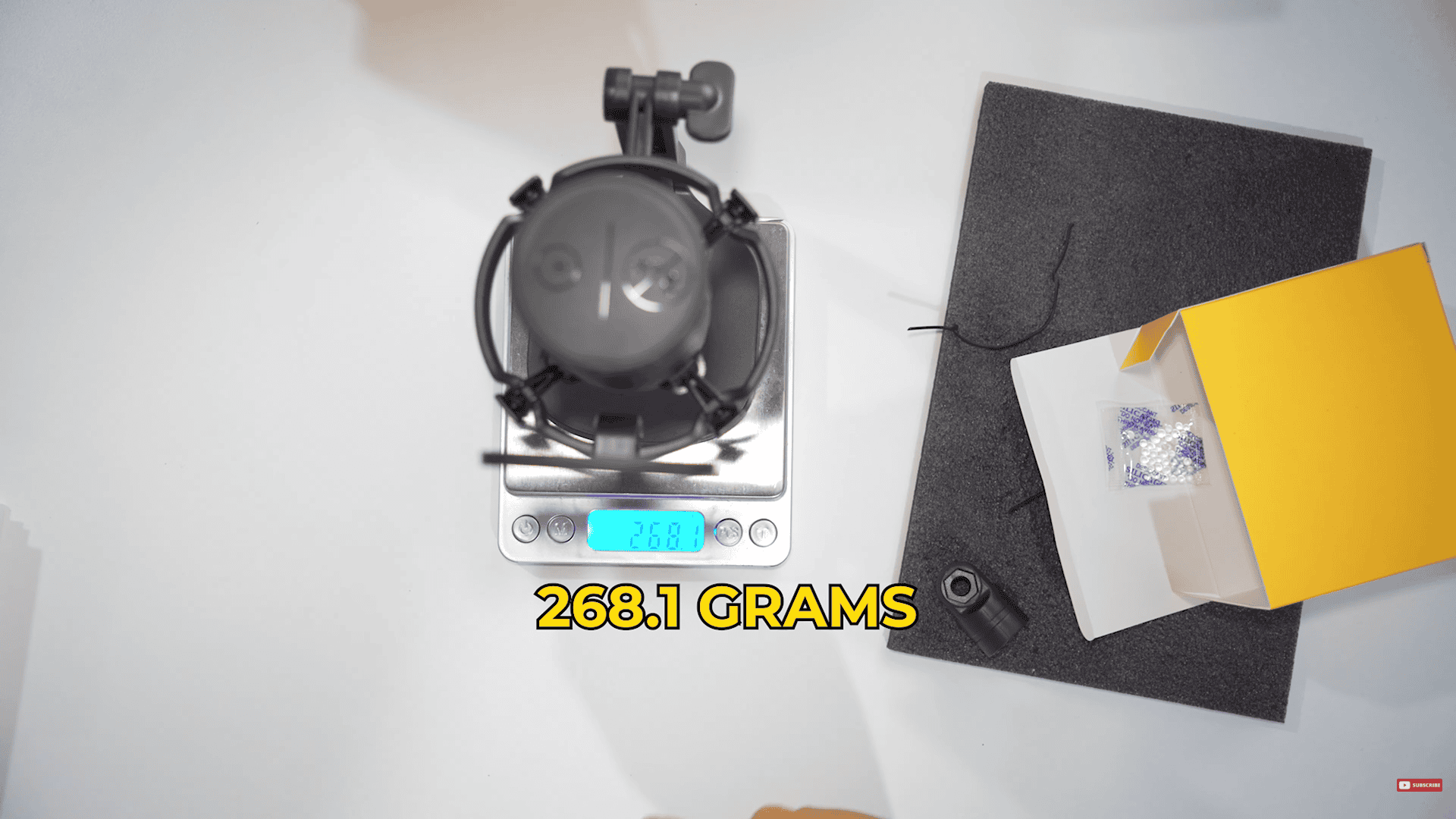
The mic has the impression that it has some serious heft, weighing 268.1 grams. Compared to similar models, it’s about average in weight, making it perfectly portable for long trips.
Now that we are done unboxing the mic, it’s time to find out if it actually sounds good.
If this mic looks promising to you, check out the Maono DGM20 on the link below:
https://link.davesoltura.com/maonodgm20footer
Testing it out
In the following section, I performed a series of audio tests with the Maono DGM20 microphone — timestamps are included below to help you navigate the YouTube video.
Tapping test
What it is: A vibration test by tapping the desk or mic arm.
Why it matters: Reveals how much physical noise the mic picks up through the stand or table.
What to listen for: Low “boom” or “thud” sounds traveling up the mic stand. A stable mic setup keeps these noises minimal.
Watch here: 5:25 – 5:34
Typing test
What it is: A background-noise test using keyboard typing.
Why it matters: Shows how well the mic handles everyday background noise during work or streaming.
What to listen for: Can you still understand the voice clearly? Does the typing sound muffled or sharp? A good mic keeps your voice on top and softens the key clicks.
Watch here: 5:34 – 5:42
Plosive test
What it is: Those “boom/puff” hits on P/B sounds when air slams the mic.
Why it matters: Buries words and makes compressors pump.
What to listen for (simple + tech): Big thumps (mostly under ~150 Hz), sudden level jumps, or clipping on P’s.
Sibilance test
What it is: Sharp “S/SH/CH/T” brightness.
Why it matters: Fatiguing highs; often needs a de-esser.
What to listen for: Smooth vs. hissy top end (roughly 5–10 kHz); does “S” stab the ear or sit naturally?
Low Voice
What it is: Baritone/bass delivery.
Why it matters: Tests warmth vs mud.
What to listen for: Solid body without muffling; low-cut needed or not.
Watch here: 6:14 – 6:31
Medium Voice
What it is: Average speaking range.
Why it matters: “Most people” scenario.
What to listen for: Natural mids, clear words, no harsh edges.
Watch here: 6:14 – 6:31
High Voice
What it is: Bright tenor/soprano or animated read.
Why it matters: Exposes sibilance and edgy upper-mids.
What to listen for: Controlled esses, brightness without glassiness.
Watch here: 6:14 – 6:31
Distortion test
What it is: Crackle/grit when the mic or preamp is overloaded.
Why it matters: Ruins takes; can hide as “aggressive tone.”
What to listen for: Crunch on consonants, smeared transients, sudden harshness (even if meters aren’t red).
Watch here: 6:31 – 6:34
Guitar test
What it is: Mic on acoustic guitar only.
Why it matters: Shows pick attack, body warmth, and string detail.
What to listen for: Clear attack, musical body (100–300 Hz), sparkle without fizzy top.
Guitar with voice
What it is: One mic capturing voice and guitar at the same time.
Why it matters: Real singer-songwriter setup; bleed and balance are key.
What to listen for: Can you understand lyrics without the guitar booming? Does the blend feel natural?
Impressions
What it is: A fun voice-acting demo where I imitate characters (like Luffy from anime).
Why it matters: Tests how the mic handles expressive voices — shouting, whispering, pitch changes — just like in dubbing or streaming.
What to listen for: Does the mic capture energy without distorting? Do higher-pitched voices stay clear without harshness?
Watch here: 7:04 – 7:34
Pros and Cons of the Maono DGM20
Pros
1. Great plosive rejection
The first pro of the Maono DGM20 is its plosive rejection. I can hardly pop it, with or without the noise cancelling even if I’m directly in front of the mic.
2. Great noise cancelling
Second, the noise cancelling is great as it lowers your background noise by a lot. Compared to the gentle noise suppression of the Alabs Iron Mini WL, which does gently reduce the background noise in order to keep the audio fidelity, the DG M20 really drops your background noise.
3. Great clarity for highs
For the third pro, the clarity and the highs for this microphone are great for its category. Highs are normally brittle or grainy for cheap condensers, but this one actually has a pretty smooth top end.
Cons to consider
1. To nasally
I found that the mic was a bit too nasal to my ear, especially at a distance.
2. Mids are a bit punchier
Second con, I feel as though the mids could be a bit punchier and you could definitely get a more pronounced midsection and some base by getting closer. It doesn’t come quite as easily when you’re farther but you can offset that thanks to its great explosive rejection.
Final Thoughts
The Mayo DGM20 is a great budget starter mic for those who are beginning to become a little conscious of their audio. I was genuinely impressed with how good the noise cancelling was for what it is and at this price point.
It is suitable for gamers and streamers who don’t want to have to go through the trouble of soundproofing the room. It can also be useful for business people and teachers struggling with background noise, as this mic can be a second layer of noise-cancelling over Zoom.
For voice actors, the mic suits indie work only. I’d advise against using it for professional gigs, and it’s no substitute for a dedicated voiceover microphone when outside noise gets loud. That said, while it has limitations and isn’t preferred for voice acting, it can still be a solid mic for other general uses.
Interested in purchasing the Maono DGM20? Click the link below: